
Non-Manual Markers
Your face is part of ASL grammar.
Learn how eyebrows, eyes, head position, and body lean help ASL sentences become statements, yes/no questions, WH questions, and deeper grammar patterns.
0 of 10 lessons completed0%
Learn by doing first.Each lesson starts with simple practice. The more nuanced grammar notes stay lower on the page.
Build in order.The concepts move from easy question faces to harder head-position details.
Start Here
Action-ready ASL grammar lessons
Begin with the grammar choices you can use right away in simple conversations.
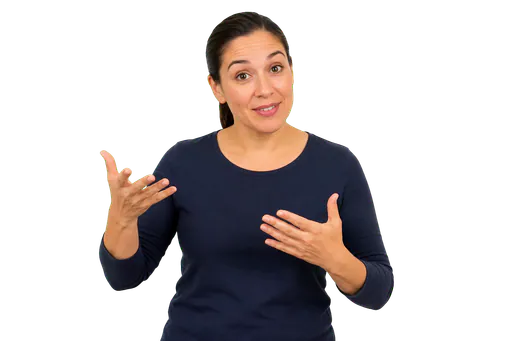
01Facial Grammar BasicsYour face is part of ASL grammar. It helps show if you are making a statement, asking a question, giving a command, or setting up an idea.Start lesson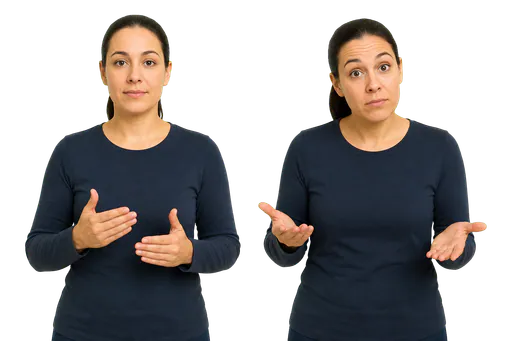 Statement vs Question FaceThe same signs can mean different things when the face changes. This is one of the fastest ASL grammar wins for beginners.Start lesson
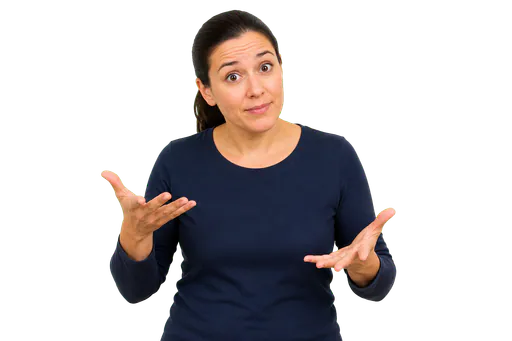 Yes/No QuestionsFor ASL yes/no questions, raise your eyebrows, open your eyes a bit, and lean your head forward slightly so a yes or no answer feels expected.Start lesson
 WH QuestionsLearn ASL WH question grammar for who, what, where, when, why, which, and how. Use furrowed eyebrows, focused eyes, and a slight head tilt when asking for information.Start lesson
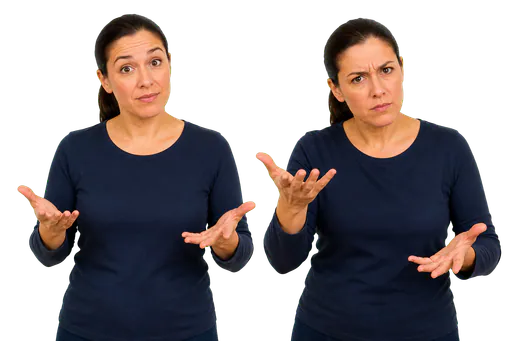 Yes/No vs WH QuestionsLearn when ASL yes/no questions use raised eyebrows and when WH questions use furrowed eyebrows, so your face shows the answer you expect.Start lesson
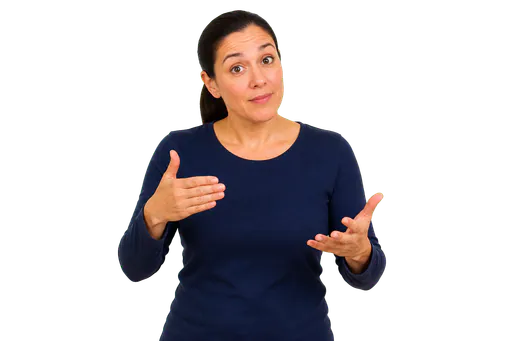 Holding Facial MarkersIn ASL, facial markers usually stay active over the part of the sentence they control. Learn how to hold raised eyebrows for yes/no questions and connect furrowed brows to WH questions.Start lesson
Facial Grammar BasicsYour face is part of ASL grammar. It helps show if you are making a statement, asking a question, giving a command, or setting up an idea.Start lesson
02Statement vs Question FaceThe same signs can mean different things when the face changes. This is one of the fastest ASL grammar wins for beginners.Start lesson
03Yes/No QuestionsFor ASL yes/no questions, raise your eyebrows, open your eyes a bit, and lean your head forward slightly so a yes or no answer feels expected.Start lesson
04WH QuestionsLearn ASL WH question grammar for who, what, where, when, why, which, and how. Use furrowed eyebrows, focused eyes, and a slight head tilt when asking for information.Start lesson
05Yes/No vs WH QuestionsLearn when ASL yes/no questions use raised eyebrows and when WH questions use furrowed eyebrows, so your face shows the answer you expect.Start lesson
06Holding Facial MarkersIn ASL, facial markers usually stay active over the part of the sentence they control. Learn how to hold raised eyebrows for yes/no questions and connect furrowed brows to WH questions.Start lesson
Deeper Grammar
Nuance to learn after the basics
These ideas come from the deeper parts of the source document. Save them for after yes/no and WH questions feel comfortable.
07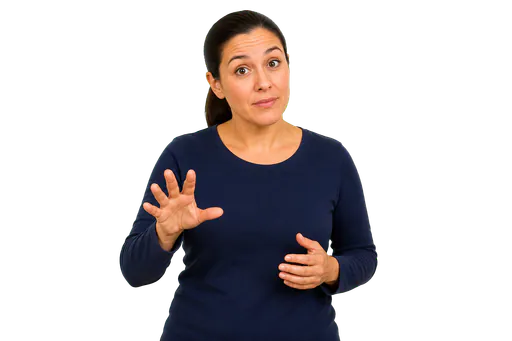 Brow Raise for Topics, If, and DescribingRaised eyebrows are not only for yes/no questions. They can also set up a topic, an if idea, or a noun you are describing.Start lesson
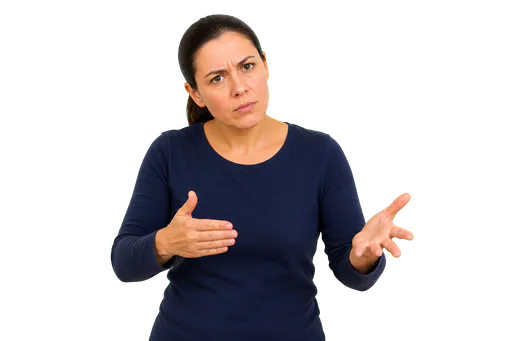 Brow Furrow for WH FocusFurrowed brows show that you need information. The furrow may spread over the question or become strongest on the WH sign.Start lesson
 Head Down for Specific AnswersA head-down WH question often asks for a specific answer, like one exact book, person, place, or time.Start lesson
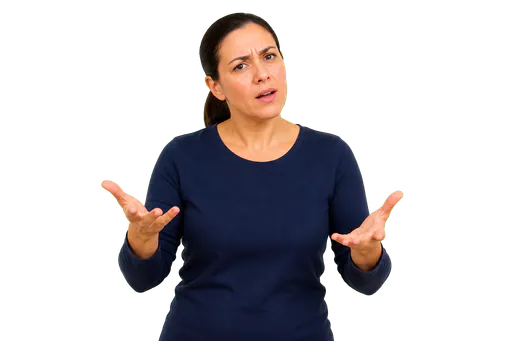 Head Up for Open-Ended QuestionsA head-up WH question can feel more open-ended, like you are asking for any possible answer instead of one exact thing.Start lesson
Brow Raise for Topics, If, and DescribingRaised eyebrows are not only for yes/no questions. They can also set up a topic, an if idea, or a noun you are describing.Start lesson
08Brow Furrow for WH FocusFurrowed brows show that you need information. The furrow may spread over the question or become strongest on the WH sign.Start lesson
09Head Down for Specific AnswersA head-down WH question often asks for a specific answer, like one exact book, person, place, or time.Start lesson
10Head Up for Open-Ended QuestionsA head-up WH question can feel more open-ended, like you are asking for any possible answer instead of one exact thing.Start lesson
Ready for the first lesson?
Start with facial grammar, then move through the concepts in order.