
Learn ASL grammar one clear lesson group at a time.
Choose a grammar topic, start with the simple lessons, and build one practical pattern at a time.
0 of 57 lessons completed0%
Lesson Directory
Choose a lesson group. Each topic keeps beginner-friendly lessons first.
01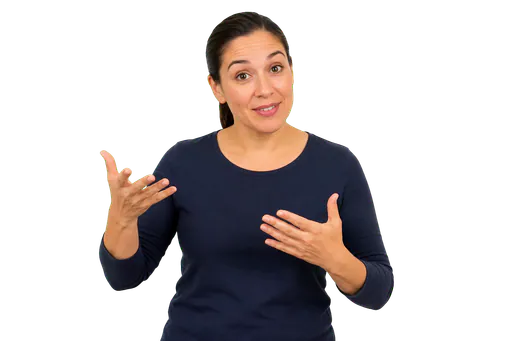 Start HereNon-Manual MarkerLearn beginner lessons about facial grammar, question faces, eyebrow markers, and head position.0 of 10 lessonsOpen lessons
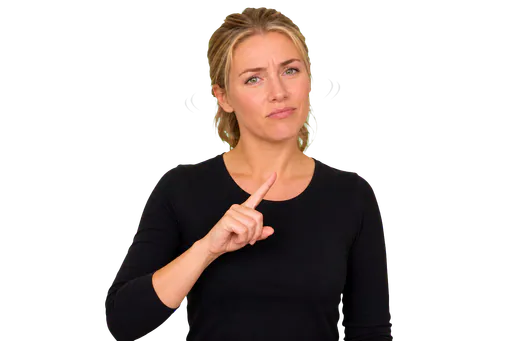 BasicNegation and Affirmation through Facial GrammarLearn how headshakes, headnods, and negative signs work with the hands to show no, not, yes, and emphasis.0 of 4 lessonsOpen lessons
 BasicPossessionLearn the beginner ASL possession patterns: flat B hand possessives, his and theirs, HAVE for owning, and name possession.0 of 4 lessonsOpen lessons
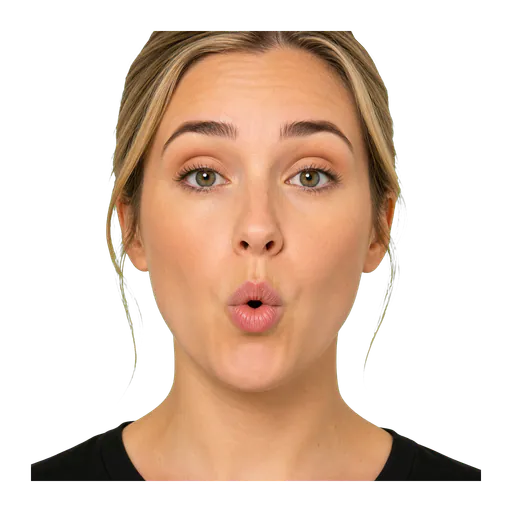 BasicMouth MorphemesLearn how ASL mouth shapes show size, effort, carelessness, success, impact, distance, and duration.0 of 12 lessonsOpen lessons
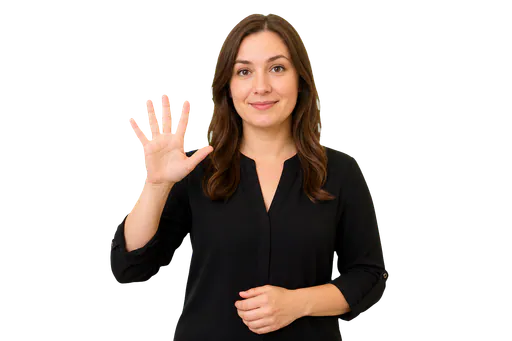 BasicPluralizationLearn beginner ways ASL shows more than one thing, using numbers, quantity signs, number blends, plural pronouns, and classifier space.0 of 4 lessonsOpen lessons
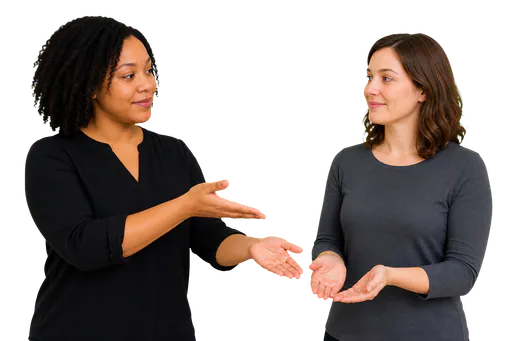 BasicDirectional VerbsLearn how ASL verbs like GIVE, HELP, TELL, ASK, SHOW, SEND, TAKE, and BORROW can move through signing space to show who is doing what to whom.0 of 3 lessonsOpen lessons
 BasicAgent Marker and Profession SignsLearn when ASL job signs use the PERSON ending, and when profession signs are already complete without it.0 of 3 lessonsOpen lessons
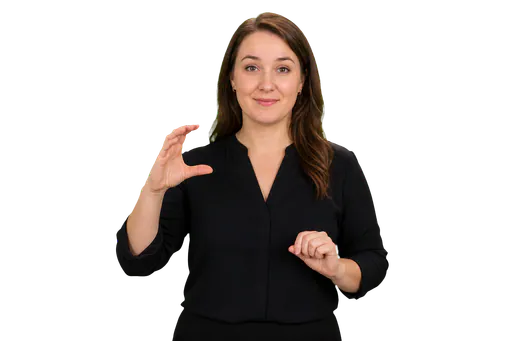 PracticeSome noun vs VerbLearn how ASL hand movement changes meaning in certain related noun/verb signs, without assuming every noun double taps.0 of 1 lessonsOpen lessons
 BasicClassifiersLearn how ASL classifiers use handshape, space, movement, and orientation to show people, vehicles, surfaces, objects, crowds, and natural elements.0 of 11 lessonsOpen lessons
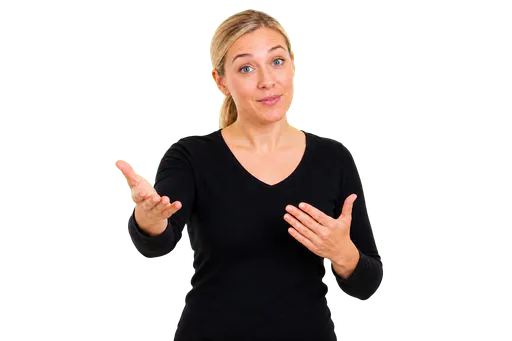 AdvancedAdvanced Non-Manual MarkersPractice topic-comment sentences, if-then grammar, rhetorical questions, emotion layering, and role shift.0 of 5 lessonsOpen lessons
Start HereNon-Manual MarkerLearn beginner lessons about facial grammar, question faces, eyebrow markers, and head position.0 of 10 lessonsOpen lessons
02BasicNegation and Affirmation through Facial GrammarLearn how headshakes, headnods, and negative signs work with the hands to show no, not, yes, and emphasis.0 of 4 lessonsOpen lessons
03BasicPossessionLearn the beginner ASL possession patterns: flat B hand possessives, his and theirs, HAVE for owning, and name possession.0 of 4 lessonsOpen lessons
04BasicMouth MorphemesLearn how ASL mouth shapes show size, effort, carelessness, success, impact, distance, and duration.0 of 12 lessonsOpen lessons
05BasicPluralizationLearn beginner ways ASL shows more than one thing, using numbers, quantity signs, number blends, plural pronouns, and classifier space.0 of 4 lessonsOpen lessons
06BasicDirectional VerbsLearn how ASL verbs like GIVE, HELP, TELL, ASK, SHOW, SEND, TAKE, and BORROW can move through signing space to show who is doing what to whom.0 of 3 lessonsOpen lessons
07BasicAgent Marker and Profession SignsLearn when ASL job signs use the PERSON ending, and when profession signs are already complete without it.0 of 3 lessonsOpen lessons
08PracticeSome noun vs VerbLearn how ASL hand movement changes meaning in certain related noun/verb signs, without assuming every noun double taps.0 of 1 lessonsOpen lessons
09BasicClassifiersLearn how ASL classifiers use handshape, space, movement, and orientation to show people, vehicles, surfaces, objects, crowds, and natural elements.0 of 11 lessonsOpen lessons
10AdvancedAdvanced Non-Manual MarkersPractice topic-comment sentences, if-then grammar, rhetorical questions, emotion layering, and role shift.0 of 5 lessonsOpen lessons