
Classifiers
Use your hands to show the scene, not just name it.
Start with a simple classifier setup, then learn ten common classifier handshapes for people, vehicles, surfaces, objects, crowds, and movement through signing space.

0 of 11 lessons completed0%
Learn by doing first.Each lesson names the handshape, gives a simple use, and turns it into a small practice scene.
Build in order.Begin with CL:1 and vehicle space, then add shape, surface, object, leg, building, crowd, and element classifiers.
Lessons 1 to 5
Build the classifier foundation first
Start with naming the noun, setting up space, and using the most common beginner classifier handshapes.
01 Classifier PreludeClassifiers help your hands show people, things, places, and movement after you name what you are talking about.Start lessonCL:1 for People and PathsCL:1 can show one person, a long thin object, or a path through space.Start lesson
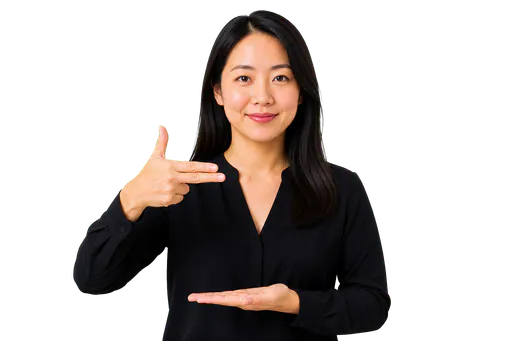 CL:3 for VehiclesCL:3 is the common vehicle classifier. It can show a car driving, parking, turning, or crashing.Start lesson
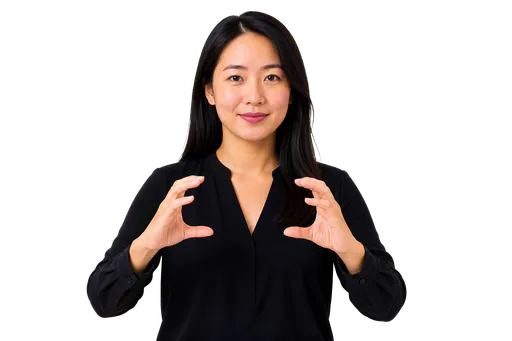 CL:C for Cylinders and ContainersCL:C can show round or cylindrical things like cups, bottles, pipes, tunnels, and thick objects.Start lesson
 CL:B for Flat SurfacesCL:B can show flat things and surfaces like tables, shelves, floors, roads, walls, doors, and paper.Start lesson
Classifier PreludeClassifiers help your hands show people, things, places, and movement after you name what you are talking about.Start lesson
02CL:1 for People and PathsCL:1 can show one person, a long thin object, or a path through space.Start lesson
03CL:3 for VehiclesCL:3 is the common vehicle classifier. It can show a car driving, parking, turning, or crashing.Start lesson
04CL:C for Cylinders and ContainersCL:C can show round or cylindrical things like cups, bottles, pipes, tunnels, and thick objects.Start lesson
05CL:B for Flat SurfacesCL:B can show flat things and surfaces like tables, shelves, floors, roads, walls, doors, and paper.Start lesson
Lessons 6 to 11
Add more handshapes and scene details
Practice the more specific classifier handshapes after the basic map, person, vehicle, surface, and cylinder patterns feel clear.
06 CL:F for Small Round ThingsCL:F can show small round things like coins, buttons, dots, and tiny objects you pick up.Start lesson
 CL:G for Thin ThingsCL:G can show thinness, a small gap, a thin strip, or something held with a tiny pinch.Start lesson
 CL:L for Rectangles and FramesCL:L can show corners, cards, rectangles, picture frames, and some tool-like shapes.Start lesson
 CL:V for Legs and SittingCL:V can show legs, walking, standing, jumping, sitting, or a person moving with visible leg action.Start lesson
 CL:A for Buildings and ObjectsCL:A can place stationary solid things in space, especially buildings, houses, statues, and objects on a surface.Start lesson
 CL:5 for Crowds and ElementsCL:5 can show many things together, like a crowd, forest, wind, waves, smoke, or spreading movement.Start lesson
CL:F for Small Round ThingsCL:F can show small round things like coins, buttons, dots, and tiny objects you pick up.Start lesson
07CL:G for Thin ThingsCL:G can show thinness, a small gap, a thin strip, or something held with a tiny pinch.Start lesson
08CL:L for Rectangles and FramesCL:L can show corners, cards, rectangles, picture frames, and some tool-like shapes.Start lesson
09CL:V for Legs and SittingCL:V can show legs, walking, standing, jumping, sitting, or a person moving with visible leg action.Start lesson
10CL:A for Buildings and ObjectsCL:A can place stationary solid things in space, especially buildings, houses, statues, and objects on a surface.Start lesson
11CL:5 for Crowds and ElementsCL:5 can show many things together, like a crowd, forest, wind, waves, smoke, or spreading movement.Start lesson
Ready to start classifiers?
Begin with the prelude, then move through the ten classifier handshapes in order.