
Grammar Face vs Feeling Face
Your face can show grammar and feelings at the same time. When they conflict, the grammar face still needs to stay clear.
Watch First
Use these short PocketSign clips to see the movement before you practice.
Facial expressions, head movement, and body language are all non-manual markers that we use in ASL while we are signing. These signals add emotion and clarity to our signs.
Here are some examples. Yes, that is a non-manual marker that is understood universally as affirmation. No, no. The head shake is a universal known gesture for no. The non-manual marker of happiness is a smiling mouth and brightening eyes to enhance that you are happy. Confused. A frowned eyebrow and a perplexed facial expression enhance the sign for confused.
Learn It
Start with the simple version, then practice it with real signs.
ASL uses the face for grammar, like raised brows for yes/no questions or lowered brows for WH questions.
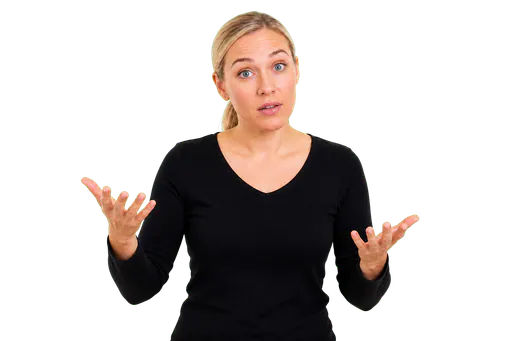
The face also shows feelings, like surprise, anger, worry, or excitement.
When the feeling and grammar match, the face may get stronger. When they conflict, keep the grammar readable first.
Try It
Practice slowly. Make the face before the sentence is over.
- Ask ? with a surprised feeling and raised brows.
- Ask ? as if you are annoyed, but keep the yes/no brow raise clear.
- Practice the same sentence with happy, worried, and neutral feelings while keeping the grammar marker steady.
Simple Examples
Read the ASL line first, then check the meaning and tip.
Common Mistake
Do not let emotion erase the grammar. If the brow marker disappears, the sentence can become hard to understand.
A little more grammar
The PDF separates grammatical NMMs from affective NMMs. They share the same face muscles, so skilled signers layer them while protecting the grammar signal.